Orlando, FL property-owner response(689) 367-1108
Orlando Mold Remediation WorksMoisture questions. Clearer remediation planning. Call (689) 367-1108

ORLANDO PROPERTY CLARITY LINE

A brighter way to understand the mold-remediation plan.

Start with the moisture history and finish the first call knowing what questions matter, what connects, and why each possible step belongs.

Call Orlando for the property briefing(689) 367-1108Calls only. No web form or text funnel.
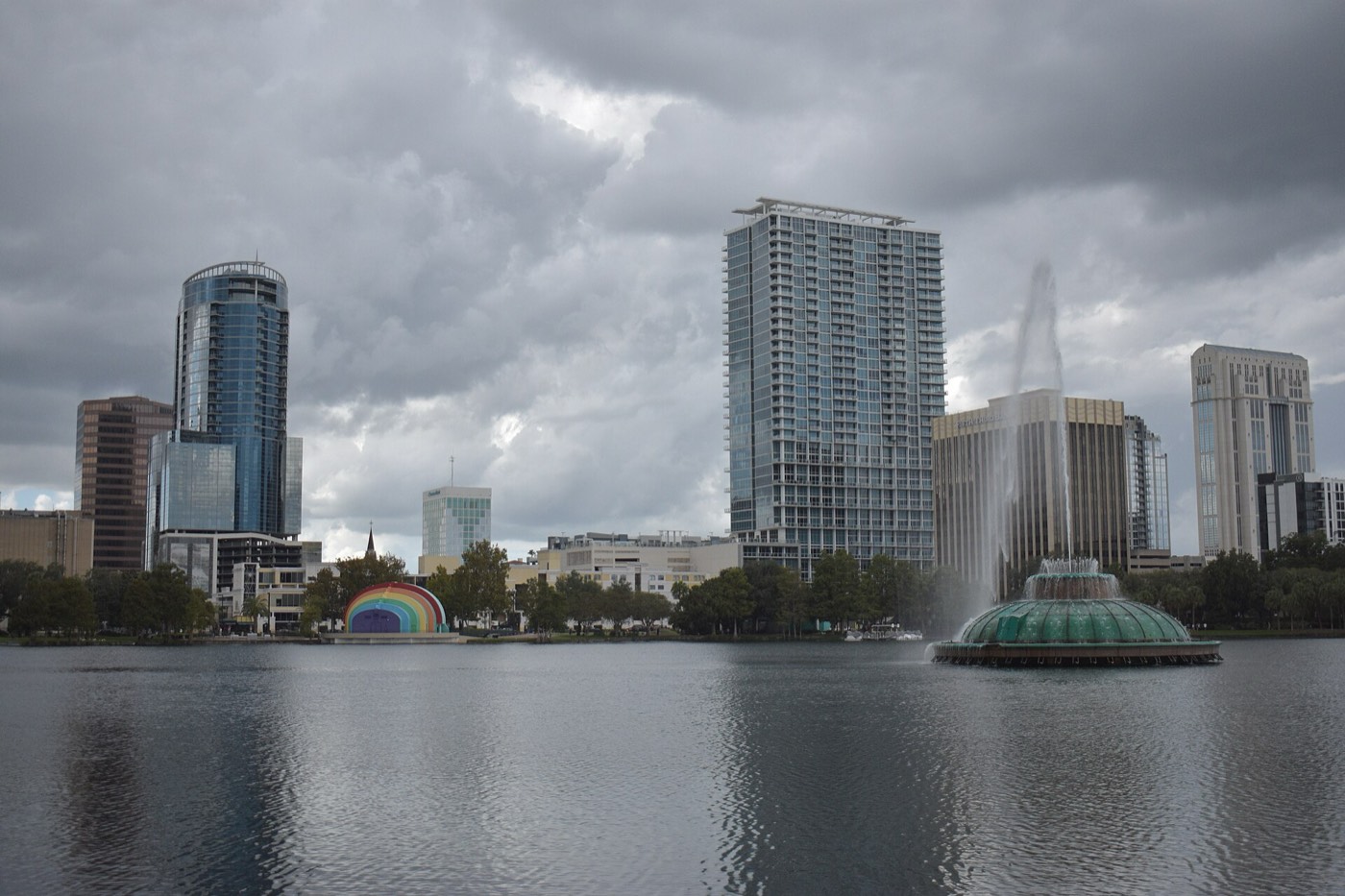
Lake Eola and the downtown Orlando skyline
THE ORLANDO STANDARDSpecific questions beat generic promises.

CLEAR ANSWERS START HERE

Choose the company that can make a complicated property story understandable.

Orlando Mold Remediation Works is built around a simple belief: property owners deserve more than a vague pitch and a one-size-fits-all answer.

When you call, the useful conversation starts with what happened—where the condition appeared, when it changed, what may have introduced moisture, which materials are involved, what connects to the area, and what has already been attempted.

That approach matters because a mark on one surface does not explain the entire moisture path. Water can move through wall cavities, flooring systems, cabinets, insulation, framing, and adjacent rooms. Materials can also respond differently depending on how long they stayed damp and whether the source was corrected.

Our standard is to organize the facts and explain the logic behind possible next steps. A property-specific plan may involve source correction, evaluation, containment, cleaning or removal, drying, disposal, and repair coordination. You should understand why a step is being discussed—not simply be asked to accept a mystery package.

Use that standard when comparing options. Ask whether the company listens before prescribing, distinguishes observations from assumptions, considers connected areas, and can explain the proposed sequence in plain language. The strongest first call is the one that leaves you better informed about the property.

Talk through the Orlando property(689) 367-1108
FOUR WINDOWS INTO THE PLAN

Each part of the call should reveal something useful.

  1. 01

    Tell the moisture story

    Explain the room, timing, possible source, odor, staining, visible changes, and earlier repairs.

  2. 02

    Connect rooms and materials

    Consider what sits above, below, behind, and beside the visible area.

  3. 03

    Clarify the work boundary

    Separate what is known, what is possible, and what still deserves evaluation.

  4. 04

    Explain the sequence

    Discuss why source correction, containment, cleaning, removal, drying, or repairs may belong.

LOCAL PROPERTY CONTEXT

Orlando conditions belong in the conversation—not in a canned conclusion.

Orlando properties can combine extended air-conditioning use with sudden rain, roof or window entry, plumbing problems, appliance connections, bathroom humidity, and damp cabinets or flooring. A recurring odor after the room appears dry is especially useful history to share on the first call.

The service is designed for homes, townhomes, condominiums, apartments, rentals, offices, and other Orlando properties. long cooling seasons, indoor-outdoor humidity differences, frequent rain, storm events, plumbing failures, HVAC condensate, roof entry, and damp materials inside tightly finished spaces can be relevant background. None of those conditions alone proves the scope of a concern; they help make your property history more specific.

A BETTER WAY TO COMPARE

Do not compare slogans. Compare the quality of the questions.

Be cautious when the first call...
  • jumps to a package before hearing the moisture history
  • treats every material and room the same
  • uses certainty where the property still has unknowns
  • cannot explain why a proposed boundary makes sense
Our standard is to...
  • start with the event, timing, source, and visible changes
  • ask about materials, access, and connected spaces
  • separate observations from questions that need evaluation
  • explain the logic behind each possible next step
Call Orlando for a clearer comparison(689) 367-1108

WHAT A STRONGER SCOPE SHOULD EXPLAIN

The plan should connect the source, materials, boundary, and finish line.

A property owner should not have to guess how one recommendation relates to the next. The conversation should make the sequence easier to follow and give you useful questions for comparing companies.

Source and moisture control

What event or condition may have introduced moisture? Has that source been corrected, is additional investigation useful, or does the answer remain uncertain? A surface-cleaning conversation is incomplete if ongoing moisture is ignored.

Containment and work boundaries

Why is a particular room, assembly, or material inside the proposed boundary? Ask what observations support it, what nearby areas were considered, and how access or concealed layers affect the plan.

Cleaning, removal, and drying

Different materials and conditions can lead to different decisions. Ask why cleaning, removal, drying, or disposal is being discussed and how the company expects to confirm that the work area is ready for the next phase.

Repair coordination and communication

Remediation and rebuilding are related but distinct parts of recovery. Ask what must happen before repairs, which responsibilities need coordination, and how changes or newly discovered conditions will be explained to you.

Orlando Mold Remediation Works does not ask you to arrive with all the answers. The point of calling is to turn the details you already have into a more organized Orlando property conversation.

PROPERTY ZONES

Six locations. Six different sets of questions.

Read the Orlando material guide →
BASEMENTS, CRAWLSPACES & LOWER AREAS

Start with entry points and material contact.

Drainage, foundation or crawlspace moisture, plumbing, stored contents, flooring, insulation, and lower wall materials can create different questions.

ATTICS, ROOFS & CEILINGS

Look above and around the visible clue.

Roof entry, flashing, ventilation, insulation, condensation, and the rooms below can all shape a useful conversation.

KITCHENS, BATHS & LAUNDRY

Fixtures are only part of the story.

Supply lines, drains, cabinets, appliances, exhaust ventilation, wall cavities, and repeated humidity can connect to nearby materials.

HVAC & UTILITY AREAS

Mechanical moisture deserves context.

Condensate lines, drain pans, ducts, air handlers, water heaters, and utility closets can affect more than the immediate surface.

WALLS, FLOORS & CABINETS

Different materials call for different decisions.

Drywall, trim, wood, insulation, subflooring, resilient flooring, carpet, and cabinets do not all respond to dampness the same way.

AFTER STORMS OR LEAKS

Timing makes the history more useful.

Share how long materials stayed wet, what was dried or removed, and whether odor, staining, peeling, or softness returned.

BEFORE YOU CALL

Five observations make the first conversation more useful.

You do not need technical language or a diagnosis. Plain facts about what you noticed are enough to begin.

  1. Where is it?Name the room, surface, and nearby areas.
  2. When did it change?Share when odor, staining, growth, softness, or peeling appeared.
  3. What happened first?Mention rain, plumbing, appliance, roof, HVAC, or repair history.
  4. What materials are involved?Think about drywall, wood, cabinets, insulation, flooring, masonry, and contents.
  5. What has been tried?Explain any cleaning, drying, removal, inspection, or source repair.

PUBLIC-SOURCE REFERENCE DESK

General guidance should be traceable.

The U.S. Environmental Protection Agency explains that moisture control is central to mold control and that porous materials can require different decisions than hard surfaces. The Centers for Disease Control and Prevention publishes safety guidance for people considering cleanup after leaks or flooding.

These resources provide general education, not a diagnosis or a substitute for evaluating a specific property. Review the EPA homeowner guide and CDC cleanup guidance.

DIRECT ANSWER

What does mold remediation in Orlando, FL involve?

Mold remediation in Orlando, Florida begins by understanding the moisture source, timing, affected rooms and materials, access, and visible or possible concealed conditions.

A property-specific plan may include evaluation, source correction, containment, cleaning or removal of affected materials, drying, disposal, and repair coordination. The appropriate boundary depends on construction, moisture history, material condition, and how spaces connect.

Orlando Mold Remediation Works gives property owners a direct phone-first way to organize those facts, ask why each step may belong, and discuss a clearer path forward.

PROPERTY-OWNER FAQ

Orlando mold-remediation questions

What should I explain when I call about mold remediation in Orlando?

Describe the room, what you can see or smell, when it changed, any leak or storm history, affected materials, connected spaces, and what has already been cleaned, dried, removed, or repaired.

Does a visible spot define the entire work area?

Not necessarily. A visible condition is useful evidence, but the moisture source, material layers, access, timing, and adjacent spaces can change the area that deserves evaluation.

Why does the moisture source matter?

Cleaning a surface without understanding the source can leave the property owner without a durable plan. Source correction and moisture control are central parts of the conversation.

Can different materials require different decisions?

Yes. Drywall, insulation, carpet, wood, cabinets, masonry, flooring, and contents have different structures and may require different evaluation, cleaning, removal, drying, or repair decisions.

Should I expect the company to explain the proposed sequence?

Yes. You should be able to ask what is known, what remains uncertain, why a boundary is proposed, and how source correction, containment, cleaning or removal, drying, disposal, and repair coordination may fit together.

How do I start with Orlando Mold Remediation Works?

Call (689) 367-1108. The site uses direct phone calls rather than forms or text-message funnels.

MAKE THE NEXT CALL COUNT

Bring the observations. We will help organize the questions.

Call Orlando now(689) 367-1108
Call now(689) 367-1108